Big Picture sessions
Big Picture: Impact economy - the what, the how, and the why
With governments, investors, and communities grappling with how to deliver better outcomes in a time of mounting social, economic, and environmental pressure, the concept of an impact economy is no longer a fringe concept—it's fast becoming a policy and investment imperative. But amidst the buzz, there's still a need for clarity and coherence: What exactly do we mean by the impact economy? How can it be built in practice, not just in theory? And why does it matter now more than ever?
This Big Picture session brings together senior policymakers, sector leaders, and cutting-edge academics to unpack the what, how, and why of the impact economy — from mobilising private capital for public good, to embedding accountability and evidence in decision-making. Featuring senior voices from government, academia, and the frontlines of delivery, expect bold ideas, international perspectives, and a candid conversation about what it takes to shift systems towards impact at scale.
Opening Keynote
We will be joined by Ruth Hannant, Director General for Policy at the Department for Culture, Media and Sport (UK Government) who will give an opening keynote to start the session. Building on the Prime Minister's recent "Delivering Change Together" Summit in July, Ruth will set out how her department is working closely in partnership with the Impact Economy to deliver on the UK government's priority missions.
Find a recording of the event here.

Sooinn Lee
Enuma Inc.

Jessica Reedy
University of Oxford

Michiru Toda
Japan Social Innovation and Investment Foundation

Dr Gorgi Krlev
ESCP Business School

Ruth Hannant
Department for Culture, Media and Sport

Dr Chih Hoong Sin
Independent
Chair
Big Picture: From metrics to meaning - rethinking data infrastructure for adaptive public service
Delivering effective public services in complex environments requires collaboration across government, service providers, intermediaries, and philanthropy. Yet, traditional data systems—built to monitor performance through fixed outcomes and linear theories of change— fall short in capturing some key drivers of impact: trust, relationships, and adaptive local responses.
This panel will explore how we can reimagine data infrastructure to better support test-and-learn approaches in the design and implementation of social programs. We will discuss limitations of existing data infrastructures but also remain pragmatic to what can be done at every level of programs to generate learning from data on complex services.
Find a recording of the event here.

Dr Nevilene Slingers
South African Medical Research Council (SAMRC)

Dr Felix-Anselm van Lier
University of Oxford

Stephen Aldridge CB
Ministry of Housing, Communities and Local Government

Prof Rob Wilson
Manchester Metropolitan University
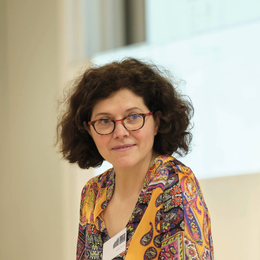
Dr Mara Airoldi
University of Oxford
Chair
Enter access code
Submit the event access code to reveal the session/meeting credentials.