Programme
Pub quiz
Attending the conference in person? Join us for our annual pre-conference Pub Quiz!
Enjoy a taste of much-loved British pub culture, and what could be more Oxford than doing a quiz? It’s a great chance to meet (and compete with!) fellow attendees and the GO Lab team. Everyone is welcome, whether it’s your first time or you’re a Pub Quiz regular.
6:30pm, Wednesday 2 September at The Plough Inn
Registration opens
In-person participants will be able to register at the reception of the Blavatnik School of Government and enjoy tea, coffee and pastries with other in-person attendees and speakers.
Official SOC26 photograph
If you're attending SOC26 in person join us in the Inamori Forum for the official SOC26 photograph.
Welcome to the Social Outcomes Conference 2026
The Government Outcomes Lab's leadership team will welcome online and in-person participants to this year's conference.

Eleanor Carter
University of Oxford

Andreea Anastasiu
University of Oxford
Keynote discussion by Professor Ole Helby Petersen
The People in Cross-Sector Contracts
In his keynote, Professor Petersen will explore a critical but often overlooked dimension of public contracting: the people in contracts. Building on the importance of sound legal design, he will examine how contracts shape, and are shaped by, the motivations, behaviours, and relationships of buyers, suppliers, and citizens.
Drawing on behavioural economics and public management research, his keynote will challenge us to rethink how contracts can better reflect human motivations, incentives, and perceptions of fairness and justice. He will explore what it means to place people at the centre of contracts, and how contract designs that incorporate both formal and relational elements can help align incentives and improve outcomes across sectors.
While there is broad agreement that effective cross-sector collaboration is needed to achieve strong social outcomes, it often remains difficult to combine formal legal elements with the relational elements needed for effective and well-functioning collaboration. This keynote will explore how formal and relational approaches to contracting can work together in practice, and what steps can be taken to begin putting these ideas into practice.

Ole Helby Petersen
Roskilde University

Sam Rowbury
Cabinet Office (UK)

Ole Horsfeldt
Gorrissen Federspiel

Deborah Burand
NYU Law

Louise Savell
Social Finance
Eleanor Carter
University of Oxford
Chair
Delivering basic income and personalised budget programmes in Wales: from evidence to implementation
Poverty underpins many of the outcomes governments seek to improve, from education and mental health to homelessness, driving and reinforcing disadvantage in a self-perpetuating cycle. Our goal of this session is to leverage the evidence generated by these programmes to drive policymakers, NGOs, and other local authorities to adopt and scale similar programmes in their area of work.
A growing body of evidence is testing different forms of direct financial support, including unconditional cash transfers and other flexible funding models, across varied populations and contexts. These approaches examine not only whether financial aid improves outcomes, but where, for whom, and through what mechanisms it is most effective. Compared to more conditional programmes, flexible financial support can be simpler and cheaper to administer, restore dignity and agency, and, given poverty’s cross-cutting effects, offer the potential for broad, cost-justified improvements.
The Welsh Government has run world leading trials, providing basic income for care leavers and personalised budgets for prison leavers; the latter run in conjunction with Greater Change. In doing so, they have not only navigated the practical challenges of delivery, but also the political barriers associated with commissioning and implementing seemingly high-risk interventions.
Both programmes involved robust evaluation and required the government to navigate a complex procurement process for these novel forms of financial aid. This session will bring together perspectives from:
- Mark Drakeford, former First Minister of Wales and a key sponsor for both projects, who can speak to the political and institutional challenges of commissioning and backing programmes that can carry a perception of high-risk.
- Jonathan Tan, CEO of Greater Change, an NGO delivering personalised budgets across nearly 3 dozen local authorities in the UK and the delivery partner for the Welsh personalised budgets programme and the Test and Learn programme run in conjunction with MHCLG and the Centre for Homelessness Impact.
- Professor Michael Sanders, Director of the School for Government and the Cash Lab at King’s College London. Michael has been a part of robust evaluations of numerous research studies on the effectiveness of cash-based financial assistance programmes, including on programmes with the Welsh Government and Greater Change, and will be able to speak on the current evidence base for such interventions. Michael was also the first Chief Scientist of the Behavioural Insights Team (also known as the ‘Nudge Unit’).

Jonathan Tan
Greater Change

Michael Sanders
KCL

Mark Drakeford
Welsh Government
Can data change policy to improve opportunity? An innovative partnership approach in Gloucestershire
Our spotlight session shares the evolution of the Gloucestershire Short Breaks Partnership – a place-based collaboration which began as a post-Covid research exercise and has grown into a £2.5m commissioning and delivery partnership between Barnwood Trust, Gloucestershire Children’s Services, and Gloucestershire VCSE Alliance. Together we are working with 12 providers of Short Breaks activities to test new approaches to funding, commissioning and learning that expand disabled children and young people’s choice, voice, and access to meaningful local provision.
The session focuses on how we have enabled innovation, collaboration and gathering learning in a way that shares power and keeps the beneficiaries of the service at the centre. A year-long pilot with six projects has already had a significant impact: reaching over 600 disabled children and young people of whom three-quarters had never accessed these services before; igniting conversations about the importance of early-intervention, and showing improvements to key policy areas such as school readiness, mental health, and family wellbeing. Our learning has shown that how you fund and commission has as much impact as what you fund and commission.
Our evaluation approach has combined qualitative research, routine (co-created) monitoring and a facilitated community of practice, supported by our independent learning partner, Collaborate. This has created conditions for shared sense-making, real time-adaptation, and building trust that has allowed all parties to be vulnerable, strengthening the insights we have been able to generate. At the same time, the Partners have had to cede control, tolerate uncertainty, and be accountable to providers and families – shifting the traditional power dynamics between funder and funded.
A distinctive feature of the programme is that it operates alongside a live procurement process. Navigating this context has surfaced tensions familiar in public innovation: compliance versus learning, competition versus collaboration, and evidence as both assurance and catalyst. With a year to go in the Partnership, these experiences are already forming the foundation for future work together – including a potential social outcomes partnership, where system-level collaboration, adaptive governance and working together to deliver specific outcomes will be crucial.
Our session will share what has enabled progress, where tensions have emerged and what we would do differently. We argue that intentionally designed learning environments (where the goal and commitment are clear) are essential to civic infrastructure and enable commissioners, funders, and communities to rethink risk, redistribute power, and work differently in complex systems.

Dan Jacques
Barnwood Trust

Naomi Diamond
Collaborate CIC

Hannah Chesters
Gloucestershire County Council
Sustaining outcome focused partnerships: Learning from 20 years of personal outcome focused partnerships in Scotland
This paper draws on learning from 20 years of implementing personal outcome focused approaches within Scotland and explores the conditions required to sustain outcome focused partnerships after the funding has gone.
The Talking Points Personal Outcomes Programme was funded for 8 years to develop an approach to focusing on person centred outcomes in health and social care and support implementation. The programme focused on three main elements: having good conversations with people about what matters to them, effective recording, and use of information for improvement. Ongoing support and development of the approach has been led by the Personal Outcomes Network, an unfunded collective of intermediaries, academics, consultants and improvement leads. Despite operating without dedicated funding since 2014, the approach has gained traction, shaped policy and the practice of hundreds of organisations and partnerships across Scotland and beyond.
This paper shares findings from a project to mark the 20th anniversary of this work, which engaged more than 60 people and organisations and asked two questions:
- What has been the impact of the programme on people using services, staff, organisations and the wider system?
- What conditions are required for partnerships to sustain an outcome focus?
Findings highlight that the implementation journey has been varied and nonlinear. Early leading partnerships have failed to progress the work, whilst others have emerged as exemplars. Many partnerships have sustained elements of the approach over time, but relatively few have adopted and sustained all three elements. Conditions that support effective and sustained implementation include:
A central focus on practice: Where partnerships have invested in developing an effective and relational model of practice, training staff, changing the culture and putting in place the systems and processes required to support this, the work has stuck and become the foundation for further development.
Data used for learning as well as performance: Investment in using outcomes data for improvement has driven innovation and made partnerships more sustainable. In contrast, partnerships that bolted outcome measures onto existing performance systems quickly encountered problems and dropped them.
Ecosystem alignment: Where policy and scrutiny frameworks have actively reinforced an outcome focus, partnerships have gained immediate reporting efficiencies and recognition, sustaining the approach.
These findings emphasise the need for social outcome partnerships to consider their practice model as strongly as the financial one, to ensure data is used for learning as well as performance reporting, and to pay attention to the regulatory and policy environments in which they are operating.

Ailsa Cook
Ailsa Cook Consulting
Motivating the health workforce in times of reduced financing: unlocking the potential of performance-based financing (PBF) in Ethiopia
Health professionals are the backbone of the health system. Particularly in underserved and resource-constrained settings, achieving Universal Health Coverage will be impossible without a sufficiently trained and motivated health workforce. Despite this, low levels of job satisfaction and motivation remain a persistent challenge, undermining job retention and the quality of care. In Sub-Saharan Africa, between 26% and 68% of health workers report dissatisfaction with their jobs.
Against this backdrop, the Ethiopian experience with Performance-Based Financing (PBF) offers an example of a partnership that combines contractual accountability with flexibility. PBF was introduced in Ethiopia in 2015, in collaboration between the public sector (federal, regional and zonal health authorities), Cordaid (an international NGO), health facilities and community-based organisations. It was first piloted in the pastoralist Borana Zone and subsequently scaled to an additional five zones and two city administrations. Agreements with health facilities were laid down in formal contracts, setting out clear performance metrics, transparent financing flows and mutual accountability, while allowing autonomy and flexibility in implementation. The application of PBF has led to major improvements in the accessibility and quality of care. However, evidence of the effects on health worker motivation, satisfaction, and retention was so far limited.
In 2025, a mixed-methods study was conducted, comparing 451 health workers from Borena Zone (working under PBF for 4 to 10 years) to 456 of their peers in the neighboring South Omo Zone, where PBF was never implemented. Multilevel conditional logistic regression was employed to examine the association between PBF exposure and motivation, satisfaction and intention to leave. Qualitative data from key informant interviews and focus group discussions were used to explore underlying mechanisms.
Long-term PBF exposure turned out to be strongly associated with higher motivation [96% vs 80%; p < 0.001] and satisfaction [90% vs 63%; p < 0.001] of health workers, and with a lower intention to leave [14% vs 28%; p = 0.001]. Improvements were observed across intrinsic and extrinsic domains of motivation, including recognition, opportunities for advancement, fair compensation, and working conditions. Qualitative data supported these findings, highlighting that enhanced accountability, clear performance frameworks, teamwork, community recognition, and professional pride were underlying drivers. Increased workload and delayed incentive payments were reported as challenges.
These findings highlight that PBF, when designed as a genuine, trust-based partnership, can enhance health workforce performance and deliver transformational impact. This evidence is relevant for other countries that are currently exploring the (re-)introduction of PBF.

Maarten Oranje
Cordaid

Fentabil Getnet Yimer
National Data Management and Analytics Center
Jobs Boost Outcomes Fund: Post-Pilot Evaluation Lessons Learned
South Africa faces one of the most severe youth unemployment crises globally, with structural barriers in both the labour market and the skills development system limiting young people’s transition into work. Despite significant public expenditure through institutions such as the Sector Education and Training Authorities (SETAs) and the National Skills Fund (NSF), the system has historically been characterised by input-based funding models that prioritise training delivery and completion rather than employment outcomes. This has contributed to persistent skills mismatches, weak links to employer demand, and limited accountability for labour market results.
The Jobs Boost Outcomes Fund was piloted under the Presidential Youth Employment Intervention (PYEI) as a proof of concept to test whether outcomes-based financing (OBF) could address these systemic challenges. By shifting public funding toward verified employment outcomes, rather than inputs, the Fund aims to strengthen the alignment between training provision and labour market demand, improve value for money in public expenditure, and create stronger incentives for delivery partners to prioritise sustained employment.
This presentation will present findings from both a Value for Money (VfM) evaluation and a Process Evaluation of the R300 million Jobs Boost pilot. The Fund shifts public expenditure toward verified employment outcomes, with 80% of payments contingent on job placement and sustained employment, and independent verification ensuring accountability. Across 12 implementing partners, the Fund enrolled over 9,500 youth and achieved more than 6,800 verified job placements, with over 4,200 participants sustaining employment for at least three months.
The VfM evaluation finds that the model delivers outcomes at costs competitive with traditional training systems, while achieving higher conversion rates into sustained employment. Crucially, the model’s design transfers performance risk to providers and incentivises demand-led approaches grounded in real employer needs.
The Process Evaluation highlights how results-based financing reshapes implementation behaviour, strengthening accountability and deepening employer engagement. However, it also identifies critical conditions for scale, including the need for stronger participant protections, improved payment and verification systems, and more consistent implementing partner performance.
Beyond programme-level findings, this presentation situates the Jobs Boost pilot within a broader reform agenda. The evidence generated through these evaluations has been instrumental in informing government efforts to reform key funding institutions, particularly the NSF, a R5 billion skills funding mechanism, toward more outcomes-oriented, demand-led financing approaches. The presentation will reflect on how rigorous evaluation and real-time learning have supported political buy-in for this transition, positioning outcomes-based financing not as a standalone innovation, but as a central mechanism for transforming the effectiveness, accountability, and impact of South Africa’s skills development system.

Akosua Koranteng
Presidential Youth Employment Intervention
Public Capital, Shared Outcomes: Social Outcome Partnerships in Denmark’s Welfare State
How do SOPs work in a context where the public sector is already strong, relatively decentralised, and well-funded?
This presentation shares practical lessons from Denmark and Den Sociale Investeringsfond’s (DSI’s) work over the last seven years. It will show how SOPs are used in practice in a universal welfare state, how the type of welfare state shapes SOPs, and what other governments, commissioners, and intermediaries can learn from it.
This session will focus on two main learnings:
First, the session will provide an example on how the structure of the welfare state shapes the SOP structure. In Denmark, municipalities finance and deliver a large share of welfare services and have taxation powers of their own. This creates a different enabling environment from more centralised systems and less reliance on centralised outcome funds. Denmark’s experience suggests that the structure and development of SOPs depend on institutional design, local fiscal autonomy, and the way responsibilities are distributed across government.
Second, the session will explore what role government-backed intermediaries and investors can play in building a sustainable SOP ecosystem. Denmark shows that return-seeking private capital can be welcome and valuable, bringing investment discipline and the potential for scale, but it is not a precondition for the adoption of SOPs. A state-owned but operationally independent intermediary such as DSI can help embed and institutionalise SOPs alongside an investment and outcome-based mindset across the public sector. This matters because the ultimate goal is not simply to launch more SOPs, but to use them to modernise public services, improve incentives, and pave the way for reforms that are more closely aligned with citizens’ needs and long-term public value.
Participants will leave with practical insights into how institutional structures shape the design and development of SOPs, and how government-backed intermediaries can help build and embed an outcome-based approach across the public sector.

Emil Overgaard Bruhn
DSI
Designing Outcomes-Based Financing that scales in low- and middle-income countries
Outcomes-based financing (OBF) programmes can generate powerful opportunities for both service delivery and system-wide learning in low- and middle-income countries (LMICs). Yet many LMIC contexts lack the “ideal” enabling conditions often considered necessary for successful OBF implementation. Ecorys’ research identified five key preconditions for launching OBF, known as the "DREAM" framework: Demand from government, Readiness and availability of data, Economic and political stability, and Market capacity. This session explores how OBF can still be launched effectively when these conditions are weak or evolving, while also generating evidence that informs policy, strengthens systems, and supports long-term impact.
Drawing on lessons from the Sierra Leone Education Innovation Challenge (SLEIC), one of the world’s largest education outcomes funds, the session will combine insights from Ecorys’ research on the DREAM framework with emerging evidence from SLEIC’s evaluations. Speakers will examine how adaptive programme design, embedded learning agendas, and government partnership enabled the programme to operate successfully in a low-income context while producing a robust body of evidence on learning outcomes, intervention effectiveness, cost-effectiveness, and the wider "OBF effect" on stakeholder behaviour and government systems.
The session will also highlight how the Education Outcomes Fund (EOF), research partners, and the Government of Sierra Leone are working to translate evidence into policy and practice beyond programme implementation.

James Ronicle
Ecorys

Miléna Castellnou
Education Outcomes Fund
Beyond Results: What outcomes-based financing can mean for systems change. Evidence & practical insights from India
The session will bring together perspectives from funders, implementers, evaluators, and government partners to explore how OBF models can align incentives around sustained outcomes while enabling flexibility, continuous learning, and cross-sector collaboration. Discussions will highlight practical insights on measuring success in complex real-world settings, using data and performance management to drive adaptation, embedding system-level indicators alongside outcome metrics, and navigating trade-offs between rigour, operational realities, and long-term institutional change.
Drawing on evidence and implementation experience from India’s Skill Impact Bond (SIB), LiftEd Development Impact Bond (DIB), Haryana Early Literacy DIB, and the emerging Skills Outcomes Fund, speakers will examine how outcomes partnerships can strengthen accountability, improve learning and employment outcomes, and support more adaptive, government-owned systems at scale.
The session will also reflect on India’s transition from pilot initiatives to system-level adoption through the launch of the Skills Outcomes Fund, considering what capacities, partnerships, and governance mechanisms are required to embed outcomes-based approaches within public systems.

Divya Nambiar
Oxford Policy Management

Dayoung Lee
Dalberg Advisors

Barkat Ul Nisa
NSDC

Nitya Daryanani
British Asian Trust

Dhir Jhingran
LLF
Roundtable: Digital Innovation and Outcomes Contracting: Promise, Practice, and Pitfalls
Over the past few years, we have witnessed a data and digital revolution. This roundtable will explore how data-driven tools and emerging technologies — including AI-based models, blockchain-enabled contracting, and data dashboards for monitoring and performance management — can support different stages of outcomes-based contracting. The session will focus on showcasing the “art of the possible” while critically discussing whether and how these tools can help reduce costs, improve public service delivery, and address common operational bottlenecks. We will also examine the governance of these tools, including how to ensure that they remain fair, transparent, and equitable representations of reality (rather than reinforcing existing inequalities). Grounded in real-world practice, the session will bring together practitioners with direct experience leading cross-sector partnerships, who will share the day-to-day challenges they encounter in delivering outcomes-oriented contracts, while another group will demonstrate how different technologies could help respond to or alleviate those challenges.

Neil Stanworth
ATQ Consultants

Ivan Foberg
Roskilde University

Juliana Outes Velarde
University of Oxford
Chair
Presentations
The global education sector faces a structural gap, where investment efficiency is weakened by a focus on outputs rather than verified learning outcomes. OutcomesOS, a unified modelling architecture, addresses this …

Paul Atfield
EOF
Outcomes-focused partnerships depend on robust evidence to demonstrate whether intended results were achieved. Yet the evidence base for these partnerships -- project documents, evaluation reports, completion reviews -- is overwhelmingly …

Munib Qasim Zia
Destillo AI Inc
Across the public and social sectors, demand for data training is rapidly growing—driven by expanding data infrastructures and, more recently, by the rise of AI. In response, many organizations invest …

Rony Birman
SFI
This presentation demonstrates a new approach to decision-support tools based on a digital population twin that integrates data on population, place, risk, services, and cost data to facilitate high-resolution forecasts …

Jaakko Kaartinen
Taso Research
Roundtable: From the Saxon settlement to the manor house - why funding the social economy is USP and not SPV
Earlier this year, NPC published Impact UK, the most comprehensive picture of the UK's impact economy to date. At £428bn in gross value added, roughly 15% of GDP, the sector is larger than almost anyone had previously estimated. That number matters. But it naturally led to questions about what 'counts' in the impact economy. Answering that question for the purpose of understanding scale is one thing. But it is also important when deciding what capital instruments, institutions, and policies are needed to support organisations with different financial structures.
This workshop will help guide those decisions by splitting the impact economy into five distinct segments, each with their own unique financing and infrastructure needs. By distinguishing between grant-sustained charities, investable social enterprises, purpose-led businesses, co-operatives, and the commercial economy, our segmentation provides policymakers, practitioners and academics with a simple heuristic to inform how to partner with different types of organisations, and grow the positive impact of the economy.

David Neaum
NPC

Julie Robin
University of Poitiers

Ruth Stephens
TNLCF

Jack Wakefield
Social Investment Business

Ged Devlin
Key Fund

Alex Parker
B Lab UK

Esmé Clifford Astbury
Office for the Impact Economy

Kieron Boyle
Impact Investing Institute

Nigel Ball
Chair
Roundtable: Developing a research agenda in the space between formal and relational contracting
This session brings together researchers and practitioners to discuss how to develop theoretically informed and empirically testable research agendas in the space between formal and relational contracting in the delivery of public services. The session will feature short presentations drawing on different theoretical and empirical perspectives, highlighting emerging evidence, identifying gaps in current knowledge, and reflecting on lessons from applied settings.
The participation and contributions of practitioners will be valuable in considering how we move ideas from “the lab” into real-world settings. The session will include a structured discussion where session participants will be invited to help shape a focused research agenda by considering which questions are most pressing, what kinds of data and research designs are needed, and how theoretically informed research can be more closely connected to ongoing contracting practices.
The aim is to move towards a clearer and more cumulative research agenda on how formal and relational contracting mechanisms interact, substitute, and complement one another in the delivery of public services.

Michael Gibson
University of Oxford

Jill Carswell
Department for Education, UK

Avishai Benish
Hebrew University of Jerusalem

Deanna Malatesta
Indiana University

Kristina Patterson
Georgia Southern University
Ole Horsfeldt
Gorrissen Federspiel

Stéphane Saussier
Sorbonne Business School
Ole Helby Petersen
Roskilde University
Chair

Carolyn Heinrich
Vanderbilt University
Chair

David Van Slyke
Maxwell School of Citizenship and Public Affairs, Syracuse University
Chair
Workshop: Meet the outcomes funding innovators
This interactive session will be an opportunity to find out more about the latest projects and innovations in the outcomes-funding landscape and connect with the practitioners leading these initiatives.
We will kick off with elevator pitch style presentations from each of the selected initiatives, followed by one round of group discussions led by the innovators themselves, where participants will have the chance to ask questions about the work presented, offer their ideas and guidance, and explore collaboration opportunities.
Presentations
Some medicines are not ignored because they are too risky, too expensive, or too early. They are ignored because they are too cheap.
That is the strange problem at the …

Prateek Garg
Open Source Pharma
We will explore the full journey of an outcomes contract in eThekwini, South Africa, from early design through to implementation and launch, focusing on the practical challenges that arise at …

Can Atacik
Alethina Impact
Outcomes-based mechanisms have long promised a shift toward accountability and social impact, yet they remain tethered to expensive and time consuming processes. Data from the Government Outcomes Lab at the …

Julia Greenland
Imara Impact
Treating Multidrug-resistant Tuberculosis (MDR-TB) consumes 50% of the South African National TB Programme budget even though it accounts for only about 5% of the total number of TB cases. Poor …

Lee-Ann Davids
SAMRC
Gaziantep, one of Türkiye’s most dynamic cities, ranks second in the country in terms of disabled population and hosts a large number of Syrian refugees, many of whom face compounded …

Tuğçe Söğüt
Impact Investing Advisory Board
Outcomes-based financing has traditionally focused on social sectors such as health, employment, and education. However, a growing class of environmental challenges—particularly those linked to shared natural resources—raises the question of …

Montgomery Simus
The Ocean Cleanup
Chair:
Andreea Anastasiu
University of Oxford
Chair
In Conversation with Lisandro Martín, Director of the Outcomes Department at the World Bank Group
'Outputs and activities, while necessary, are no longer enough. The shift to outcomes is how we keep ourselves honest, relevant, and impactful. It is our way of navigating the complexity of the present.'
Lisandro is the driving force behind the World Bank Group's ambitious vision for meaningful outcomes measurement across the organisation. As Director of the Outcomes Department, Lisandro leads efforts to embed outcome orientation throughout the organisation, providing thought leadership on results measurement and overseeing the management and refinement of the World Bank Group's Scorecard. His work includes setting of outcome targets, building of internal and external capacity on results, and approaches to measuring outcomes across critical cross-cutting themes, such as climate, gender, jobs, and private sector capital mobilisation.
Drawing on over two decades of experience in operations and impact measurement, Lisandro will reflect on the challenges of shifting institutional culture from counting outputs to living outcomes. He will share the ingredients that are necessary for building an 'outcomes reflex; within large organisations, and discuss the changes this approach is already driving on the ground in the Bank's operations. In an open Q&A with conference participants, we will explore what other outcomes and social innovation leaders can learn from his journey and how to nurture systems and organisations that continually ask: are we achieving results that matter for people?

Lisandro Martín
WBG
Andreea Anastasiu
University of Oxford
Chair
Celebrating 10 years of engaged research & networking dinner
We will close Day 1 of the conference with a celebratory moment, marking 10 years of engaged research at the Government Outcomes Lab. This will be followed by a networking dinner open to all conference participants, hosted at the Blavatnik School.

Nick Joicey
University of Oxford
Andreea Anastasiu
University of Oxford
Eleanor Carter
University of Oxford
Oxford landmarks morning run
Stay active during the conference and discover some of Oxford's most iconic landmarks by joining us on an easy morning run. We will be starting the run promptly at 7am outside the Radcliffe Camera, in the very heart of Oxford.
Andreea Anastasiu
University of Oxford

Jonathan Davies
University of Oxford
Registration opens
In-person participants will be able to register at the reception of the Blavatnik School of Government building before joining our Croissants and Collaborations for tea, coffee and pastries with other in-person attendees and speakers.
Primary Prevention as National Infrastructure: Designing Systems for Flourishing, Social Cohesion and Productivity
Primary prevention offers one of the greatest untapped levers for improving social and economic outcomes, yet most nations organise systems and spending around crisis response rather than preventing harm before it takes root.
This interactive session will use SEED Futures’ National Primary Prevention Framework for Australia as the starting point for an exploration of lessons from other jurisdictions on political pathways, institutional design and accountability mechanisms, successes and failures of efforts to strengthen primary prevention and future generations institutions.
We will gather insights on the most effective ways to sharpen domestic arguments to government and funders for a greater focus on prevention; and seek to build a shared understanding of what is needed globally to ‘turn the tide’.
About the National Primary Prevention Framework
The Framework identifies ten core conditions and enablers, “healthy soil” and “architecture”, that must be held together if primary prevention (PP) is to become a national organising principle rather than a passing theme. These include hope, shared vision, trust, First Nations knowledge, community led incremental reform, lived experience at the centre of policy design, cross government collaboration, innovative long term funding, storytelling that can move systems, and adaptive evaluation focused on what works for families now. Around these, we have developed a practical Prevention Nation System: six processes that distinguish systems that react to crisis from those that grow social cohesion, wellbeing and productivity. This includes the essential component of a time limited role for intermediary organisations as part of establishing PP.
To embed at scale, the Framework proposes three institutional shifts: establishing a PP Convening Office in a central department of government to steward the ten conditions and enablers; creating a Future Avoided Costs function within that office to shift investment from late intervention to prevention; and ensuring a line between this central architecture and communities so that locally generated incremental reforms can be translated into system change. This work, currently being piloted with Australian jurisdictions and shared internationally through UN and NYU CIC prevention platforms, offers a concrete pathway for countries seeking to move from admiring the problem to changing the pattern, and to treat primary prevention as seriously as other national priorities such as defence.
Recommended reading: Prevention Nation. The Strategy to learn how other governments and philanthropy fund long-term primary preventative programme (2024)

Bernadette Black AM
SEED Futures
Relational Diagnostic: Mapping relational influence in outcomes-focused implementation
What does a crowded kitchen share with transforming a disability benefit service? The same hidden dynamics that determine whether outcomes are delivered or derailed. In this 90-minute hands-on workshop, a Department for Work and Pensions service designer draws on a live benefit transformation case study to introduce a structured diagnostic method that reveals where relational friction, formal constraints, and external pressures collide.
The workshop unpacks a real-world challenge: aligning internal policy teams, digital delivery, and an external assessment provider while navigating conflicting test-and-learn pilots, ambiguous policy mandates, and fixed delivery deadlines. You will follow the same diagnostic process that helped unblock conflicting findings, consolidate duplicated effort, and inform a feasible cohesive launch roadmap.
Working on paper, you will build three artefacts:
- Systems Map: Stakeholders, organisational nodes, influence flows, and levers of control layered on a single page.
- Persona: The citizen at the end of the policy, with needs, fears, and motivations.
- Trends Analysis: Political, economic, social pressures and trends shaping the implementation environment.
The critical moment: You arrange these sheets in a triangle and draw connecting arrows. How does each external trend reshape the citizen’s experience? Which levers can you pull, and where does power sit? The invisible relationships become visible, clarifying the path forward.
Why it matters: The method directly addresses the formal–relational tension that defines cross-sector partnerships. It filters complex landscapes through three interdependent lenses, ensuring that accountability structures and adaptive collaboration are assessed together. After each section, you pause and apply the same diagnostic to a live project of your own. You leave with a completed diagnostic triangle, a sharper view of your own partnership dynamics, and a repeatable framework you can use with your team.
Format: Pen-and-paper, facilitator-led, with dedicated application pauses. The facilitator will walk the room to unblock thinking and support adaptation to your context.
You leave with your own project’s map, and a clearer understanding of what to address first.

Bahana Saikia
DWP
Unpacking the UK's first Relational Property Development Agreement
This workshop will examine the use of a relational property development agreement as a practical governance model for complex, place-based development partnerships. The workshop is proposed as a contribution to the Social Outcomes Conference 2026’s central question: whether relational cross-sector partnerships can deliver better social outcomes.
Conventional development agreements are the backbone of public-private partnerships in urban regeneration. These agreements are often built around risk transfer, fixed obligations and adversarial enforcement. That model can struggle when projects are long-term, uncertain and dependent on collaboration across public, private and civic actors. Regeneration projects, in particular, evolve over time: policy priorities shift, delivery conditions change, evidence emerges, communities respond, and opportunities for wider public value may become clearer only during implementation. In such contexts, the challenge is not simply writing a better contract, but creating a framework that can hold partners to account while allowing them to adapt together. This is precisely the terrain in which relational contracting has been argued to matter most: where complexity, changeable environments, goal alignment and mutual reliance make purely transactional contracting inadequate.
The workshop will use the UK’s first relational property development agreement as a live case study to explore how these ideas can be translated into real deal structures. The counterparties to the agreement will set out its core design features: shared purpose, explicit behavioural principles, governance mechanisms for joint decision-making, processes for structured escalation and dispute avoidance, and commercial arrangements intended to align incentives over the life of the partnership.
A central theme of the session will be the relationship between legal design and social outcomes. Rather than treating social value as an adjunct to the commercial deal, the workshop will argue that governance architecture shapes whether public purposes can survive the pressures of delivery. The session will invite participants to test a practical proposition: that relational contracting is not “soft” contracting, but a disciplined way of organising collaboration under conditions of uncertainty.
Participants will be invited to interrogate the agreement’s strengths, limits and transferability, and to reflect on where relational approaches are most useful, what capabilities they require, and where their risks or transaction costs may outweigh their benefits. In doing so, the workshop aims to connect legal and commercial practice in regeneration with wider debates on outcomes-focused partnerships and institutional design.

Paul Clark
Stories

Sophie White
Aviva

Gavin Barlow
The Albany
Rethinking Outcomes-Based Partnerships and Incentives in Education Finance
As education systems seek new ways to improve learning outcomes and mobilise resources, outcomes-based financing approaches are evolving across a spectrum of capital sources and partnership models. This session will explore how different outcomes-based mechanisms, including outcomes funds, impact bonds, impact-linked lending, and incentive-based finance, align incentives, allocate risk, and strengthen accountability for education outcomes. Drawing on implementation experience from the Education Outcomes Fund (EOF), the Impact-Linked Fund for Education (ILF Education), and the Incentives for Learning (IfL) programme in Kenya, speakers will examine how cross-sector partnerships can be structured to drive measurable improvements in learning while balancing flexibility, sustainability, and inclusion.
The discussion will compare grant-funded and returnable-capital approaches, highlighting the trade-offs, opportunities, and practical lessons emerging from implementation. Participants will explore how incentive structures influence the behaviour of funders, financial institutions, schools, governments, and service providers; how evidence, assessment, and feedback mechanisms support continuous improvement; and how different financing models can be combined to support education outcomes at scale.

Poornima Kharbanda
GSF

Rob Alhadeff
Jackfruit Finance

Caleb Leseine
IDinsight

Joe DiSilvio
EOF

Lucas Tschan
iGravity
Public procurement and outcomes funding
Outcome-based financing and contracting approaches often face significant challenges within public procurement systems that are typically designed around purchasing activities and outputs rather than outcomes. This session will explore how governments and practitioners are navigating these legal and procurement constraints, drawing on emerging practice from Africa and Latin America. Through case studies, practical guidance, and recent resources developed for public sector stakeholders, the session will examine how outcome-based contracts and financing mechanisms are being structured, procured, implemented, and governed within existing regulatory frameworks.
The discussion will highlight evolving procurement models, legal considerations across the contracting cycle, and the institutional changes needed to support outcome-based approaches at scale. By reframing procurement and legal systems as enabling infrastructure for innovation rather than barriers, the session will provide actionable insights for governments, funders, implementers, intermediaries, and legal practitioners seeking to advance more effective, accountable, and results-driven public spending.

Stuart Theobald
Krutham

Agostina Coniglio
Keidos
What works in employment support: Insights from policy & practice
With economic inactivity, ill health and rising numbers of young people outside education, employment or training at the top of the policy agenda, this interactive workshop will ask a practical question: what does effective employment support look like when it is designed around people, places and outcomes? Drawing on live work across national and regional programmes — from Restart, Connect to Work and Trailblazers to systems change with young people and Health and Growth Investment Partnerships — we will explore what is being learned about joining up health, employment, skills and local growth.
This will be a practice-focused, problem-solving session rather than a traditional panel. Participants from VCSE organisations, government, intermediaries and international settings will be invited to share their own experience and test ideas with peers on three live challenges: building genuinely joined-up health and employment support; aligning programmes around meaningful outcomes rather than activity; and making devolution work in practice across combined authorities, ICBs, employers and communities.
By the end of the workshop, participants will leave with sharper questions, practical examples and shared insights they can take back into policy, commissioning and delivery. The session is designed for anyone interested in moving beyond fragmented programmes towards more person-centred, preventative and accountable systems of support.

Tanyah Hameed
Social Finance

Jenny Holmes
South Yorkshire MCA

Nick Butler
DWP
Workshop: Using Outcomes Contracts for System Transformation in Health & Social Care: the case of Neighbourhood Transformation Funds
How can we use Outcomes Contracts to drive long-term sustainable integration across health systems to reduce health inequities?
This interactive practitioner workshop will interest policymakers, practitioners, service users, those working across the voluntary, community, faith, and social enterprise (VCFSE) sectors, intermediaries and investors seeking more equitable and sustainable models of collaboration.
It will introduce the Neighbourhood Transformation Fund (NTF) model, which demonstrates how statutory and non-statutory bodies can co-develop services that address local priorities through a locally owned, place-based vehicle. The NTF model has been developed by Macmillan Cancer Support and Social Finance with Learning Partners King’s College London (KCL).
The NTF model is designed to deliver a scalable pathway for system transformation, defining a new role for national charities as investors and partners to fund and facilitate change, acting as ‘anchor’ organizations within local systems. It seeks to show how social investment can stimulate innovation, delivering tangible benefits for health systems by reducing demand and increasing capacity.
NTFs are being piloted in several sites across the English NHS delivering targeted services around Pro-active Anticipatory Care for frail elderly patients and programmes to support High-Intensity-Users of health services – with more services in the pipeline.
Session structure:
- Introductory overview of the problems that the model seeks to resolve, a discussion of the current health and social care context, and an outline the key components of the NTF idea from the KCL Learning Partner team.
- This will be followed by reflections from the Macmillan and Social Finance teams – digging into early learning and honest reflections about the set up and operationalisation of the NTF model across pilot sites.
- We will then break out and explore a selection of challenges and opportunities linked to the model in small groups – facilitated by the KCL, Macmillan and Social Finance teams – to generate deeper discussion and participant interaction.
- There will then be the opportunity for each small group to feed back to the wider room, developing an open forum for debate and exchange of ideas.
- Finally, the session will conclude with reflections from invited independent experts with relevant UK and international experience commenting on lessons that NTFs may hold for future use beyond the pilot sites.
Overall, the session will provide practical insights on how cross-sector partnerships based on outcome-based funding models may embed VCFSE organizations in service design and delivery, thereby strengthening locally led, participatory decision-making.

Clare FitzGerald
KCL

Katy Nex
Social Finance

Angus Kerr
Social Finance

Richard Ball
Macmillan Cancer Support

Alec Fraser
KCL
Chair
Roundtable: Beyond compliance: How can we shift social procurement from transactional to transformational
Public procurement is one of the largest discretionary levers governments hold to shape social outcomes, yet debate around it remains dominated by legal and compliance frameworks. The OECD's recent report Buying Social with the Social Economy articulates a double dividend argument: public resources can simultaneously procure quality goods and services and generate measurable social outcomes when channelled through social economy actors. The European Commission's mid-term review of the Social Economy Action Plan reinforces this direction. Realising the potential, however, requires a profound shift from contracts as compliance instruments to contracts as outcome-generating partnerships, echoing Prof. Petersen's call to place people at the centre of contracts.
This roundtable brings together academics, policymakers, and practitioners working at the frontier of public social procurement to examine what this shift requires in practice. We will explore two interlocking dimensions.
First, social procurement as a strategic lever for social outcomes. Several jurisdictions stand out for treating procurement as central, rather than peripheral, to social policy and for working to track the outcomes it generates. South Korea, Scotland, Victoria (Australia), Kenya, and Quebec each offer distinctive approaches. Drawing on contributors to the OECD report alongside policymakers from Europe and South Korea, and insights from the Open Contracting Partnership and the Open Government Partnership, the panel will surface lessons about institutional design, data infrastructure, and the cultural shifts that successful approaches demand.
Second, outcomes-based mechanisms that bridge intent and evidence. We will share the experience of South Korea's Social Progress Credits (SPCs), which illustrate how an originally private-sector experiment can be institutionalised in public systems. Following Jeju Province's 2024 ordinance, the model has scaled across six local governments, and a March 2026 partnership with the Ministry of Employment and Labor extends performance-based social value rewards to fifteen metropolitan and provincial governments. SPCs offer a practical mechanism to measure and reward social value in purchasing relationships, moving public and corporate buyers from social intent toward evidence-based procurement.
By placing mindset, mechanism, and measurement into conversation, the session aims to surface a shared research and practice agenda for the next phase of public social procurement, one that genuinely balances formal and relational practices and translates the language of social value into operational reality.

Diarmuid McDonnell
Gradel Institute of Charity, New College

Warren Smith
Posterity Global
Rony Birman
SFI

Gavin Hayman
Open Contracting Partnership
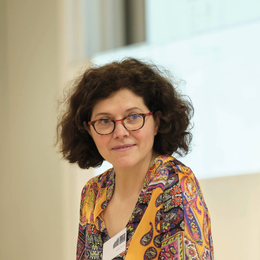
Mara Airoldi
Schwab Foundation for Social Entrepreneurship
Chair
Workshop: From test kitchen to public systems: the recipe(s) for scalable and accountable cross-sector partnerships
This interactive session will return to one of the foundational themes of the Social Outcomes Conference: How do we institutionalise outcomes and amplify the impact of outcomes-oriented partnerships?
Building on discussions at previous editions of the conference, we will focus on some of the active ingredients and approaches that can nurture partnerships that are accountable, sustainable and able to deliver public value at scale. We will do so by grounding the discussion in specific examples from practice across the globe (Colombia, South Africa, Kenya, the UK, the US and many more), bringing in voices from the public sector, foundations, delivery and social innovation organisations, and academia.
The session will examine the enabling conditions and the roles governments, philanthropic funders, intermediaries, and service providers can play in sustaining long-term collaboration under conditions of political and operational complexity. Rather than presenting partnerships as purely technical arrangements, the workshop will focus on the institutional and human dynamics that determine whether collaboration succeeds in practice: aligning incentives across sectors, building government ownership, adapting models to political and implementation realities, and maintaining accountability while enabling innovation and flexibility.

Maria Paulina Gómez
Fundación Corona

Caroline Gadd
Social Finance

Nayantara Watsa
Tiko

Kay Atanda
The World Bank

Nicole Pflock
Instiglio

Patsy Kraeger
Creighton Community Foundation

Jeff Boles
Creighton Community Foundation

James Magowan
Department for Digital, Culture, Media and Sport (UK)
Andreea Anastasiu
University of Oxford
Chair
Roundtable: The governance of learning and growing: Are we designing systems that enable us to act on the evidence they produce?
Governments invest substantially in evaluation infrastructure on the premise that better evidence produces better decisions. But this relationship is not linear and is shaped by the governance architecture of both the evaluation systems themselves and the wider decision-making environments in which they are embedded. These "rules of the game" parameters significantly influence how evaluation knowledge is acted upon — how systems learn from evidence and adapt their practices in response, such as scaling or abandoning pilots. This session examines this underexplored but critical dimension of evidence-based policymaking, asking what governance conditions are needed to translate robust evidence into better outcomes.

Arnaud Vaganay
Foundations: What Works Centre for Children and Families

Georges Poquillon
EOF
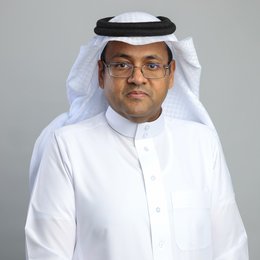
Mohammed Alotaibi
United Nation University

Sreeja Nair
National University of Singapore
Eleanor Carter
University of Oxford
Juliana Outes Velarde
University of Oxford

Vassilis Karokis-Mavrikos
University of Surrey

Felix-Anselm van Lier
University of Oxford

Maria Patouna
University of Oxford
Chair
Social impact poster gallery
We're excited to once again host the Social Impact poster gallery at the Social Outcomes Conference 2026. Posters will be on display in the Inamori Forum at the Blavatnik School and virtually on our conference pages.
Session documents:
View the posters hereAcademic Paper Development Workshop
This is a dedicated session for researchers looking to discuss and receive feedback on their academic papers. Alongside small group feedback on the papers selected for this session, participants will have the opportunity to discuss their work with a panel of leading scholars.

Ruoyi Lu
Center for AI and Digital Policy

Liron David
University of Haifa

Ana Chamon
Geneva Graduate Institute

Maria Lungu
University of Virginia

Catherine Angai
Institute of Development Studies
Kristina Patterson
Georgia Southern University

Julia Schmalz
University of Milan

Christian Diaz-Ordonez
University of Cambridge
Avishai Benish
Hebrew University of Jerusalem
Michael Gibson
University of Oxford
Chair
David Van Slyke
Maxwell School of Citizenship and Public Affairs, Syracuse University
Chair
Strengthening health systems through outcomes-oriented partnerships
After decades of steady gains, healthy life expectancy has stalled across much of the developed world. Health inequalities are widening, costs keep rising, and although everyone agrees we should invest in prevention and move care from hospitals into communities, health systems keep failing to make that shift. The reason is simple and stubborn: society as a whole profits from prevention, but the individual players who need to invest do not.
Can outcomes-oriented partnerships break this deadlock?
In this session, four practitioners from different countries each bring a real dilemma from their work on evidence, decision-making in fragmented systems, and community power. You won't just listen: in small groups you'll dig into these dilemmas and leave the presenters with concrete advice they can act on next month.
Presentations
Results-based financing (RBF) has advanced accountability in social service delivery, but often remains fundamentally transactional: paying for pre-defined outcomes without sufficiently investing in the relationships, capabilities, and market systems required …

Reza Fazel
Open Capital Advisors
Our proposal is to present a case study, from an existing Social Outcomes Partnership, showing how accountability and flexibility can be embedded in practice in a complex delivery environment in …

Nicky Ward
Bridges Outcomes Partnerships
The purpose of this session is to bring together expertise from the social investment community at an early stage in the development of Connect First, a neighbourhood-based approach designed to …

Graeme Dixon
Proclivitas Ltd
The graveyard of health technology pilots that never scaled is vast. Most frameworks address either the innovator’s journey or the government’s procurement machinery, but almost none address what happens in …

Krisha Mathur
ACT | actgrants.in
Chair:

Ruben Koekoek
Social Finance NL
Chair
Innovating at scale in Early Childhood Care & Education

Rachel Hinton
FCDO

Jennifer Opare-Kumi
University of Oxford
Chair
Presentations
The Education Outcomes Fund (EOF) has launched the world’s first outcomes funds in Early Childhood Care and Education (ECCE), with programmes underway in Sierra Leone, Rwanda, and South Africa, and …

Adriana Balducci
Education Outcomes Fund
Public contracting for Early Childhood Development (ECD) services faces a persistent gap: governments invest significant resources in service delivery, yet existing tools measure compliance with activities rather than outcomes for …

Siegrid Holler
Instiglio
In many countries, early childhood systems remain fragmented, informal, and invisible to the state, making it difficult to expand access, target funding, or track outcomes at scale. While promising models …

Palesa Nkabane
Department of Basic Education
Transforming care systems through person-centred approaches
Person-centred approaches focus on individuals' own needs and priorities, treating them as experts in their own lives and their support networks as partners. This session brings together case studies from the UK and Australia - covering family restoration, domestic abuse and mental health - where this way of working has been sustained within outcomes-based and partnership-led arrangements.
Presentations will consider how cross-sector partnerships create the conditions for person-centred practice; whether relational trust and formal accountability can be developed alongside one another rather than traded off; how multi-agency working reduces fragmentation and supports earlier intervention; and how an evidenced intervention can be scaled across hundreds of services while retaining the tailoring that makes it work for the individual.
The discussion will also turn to how partners in these systems are held to account, how data and evidence-led learning loops inform decision-making, and how much flexibility the arrangements leave for responding to changing needs. It will also examine whether fidelity to an evidence-based model and bespoke support to individuals are genuinely in tension, and what must be preserved when a model is transferred to a new setting or population.
Presentations
Newpin aims to restore children to birth families via long-term, centre-based, intensive therapeutic support. In 2013, the New South Wales Government - through the Department of Communities and Justice and …

Gavin Peek
NSW Department of Communities and Justice
Kirklees Domestic Abuse Specialist Service (KDASS) illustrates how cross-sector partnerships can improve social outcomes through innovation, accountability, and adaptability. Working in the complex field of domestic abuse, KDASS shows that …

Sarah Cooke
Bridges Outcomes Partnerships
Across the UK and internationally, the evidence base on what works to address complex social challenges is stronger than ever. For example, Individual Placement and Support (IPS) is more than …
Caroline Gadd
Social Finance
Chair:
James Magowan
Department for Digital, Culture, Media and Sport (UK)
Chair
The power of ecosystem orchestration for social change at scale
Presentations
Across sectors, partnerships are increasingly designed to balance accountability with flexibility for learning and adaptation. Yet many remain constrained by transactional logics focused on delivery, compliance, and predefined outputs, limiting …

Sreehari Ravindranath
Dream a Dream

Bhagwati Prasad Mandoli
Samagra Shiksha
Scaling as a term is often understood as expansion to more units, geographies and populations. However, as Donnella Meadows states, lasting change comes not from expanding activities, but from transforming …

Jayshree Oberoi
The Akanksha Foundation
In Brazil, addressing the learning crisis in lower secondary education requires moving beyond isolated policy interventions towards adaptive, system-level approaches. This proposal presents a cross-sector partnership between Motriz, a non-profit …

Estêvão Pinheiro
Motriz
Chair:

Ashna Devaprasad
University of Oxford
Chair
The mundane messiness of partnerships for impact: leading and navigating complex systems for impact at scale
Partnerships, particularly through cross-sector collaborations, are increasingly viewed as an essential enabler for outcomes and long term impact. Partnerships are often articulated in terms of composition, actions, attributes and competencies. Yet these say little about the mundane messiness of how partnerships result from navigating complex interpersonal, intra-organisational and inter-organisational risks and opportunities. As ambitions for ‘scale’ continue to grow, we are increasingly challenged to work in highly complex and shifting systems. This session shares insights and experiences of those working to achieve impact at scale. It shines a light on issues such as accountability, governance, evidence, as well as balancing relational and transactional ways of working.

Philipp Müller-Wirth
UNESCO

Darian Stibbe
The Partnering Initiative
Nicole Pflock
Instiglio

Natalia Martínez Pardo
District Secretariat of Social Integration

Dr Chih Hoong Sin
Independent
Chair
Closing remarks
Please join us for closing remarks by Professor Ngaire Woods, founding Dean of the Blavatnik School of Government who will reflect on the conversations and insights from the last two days.

Professor Ngaire Woods
University of Oxford
SOC26 Closing celebration
We will close SOC26 with a celebration moment, marking the launch of the Girls Partnership Platform Social Impact Bond in South Africa.
The Girls Partnership Platform, a collaboration between Tiko, UNFPA and the South African Medical Research Council (SAMRC) will bring integrated contraceptive and HIV services to thousands of vulnerable young women in Gauteng through a Social Impact Bond. This work builds on the successful Development Impact Bond implemented by Tiko and UNFPA in Kenya, which extended services to over a million adolescent girls. The Girls Partnership Platform will create the infrastructure for a pipeline of scaled, government co-led programmes across Southern Africa.
Julia Greenland
Imara Impact
Enter access code
Submit the event access code to reveal the session/meeting credentials.