Highlights from Day 1 of SOC26
Day 1 of SOC26 brought together researchers, policymakers and practitioners from around the world to explore how outcomes-focused approaches can strengthen public services and cross-sector partnerships. Across the day, conversations examined the people behind contracts, innovative approaches to funding and commissioning, and what it takes to embed a meaningful focus on outcomes within organisations.
Day 1 of SOC26 brought together researchers, policymakers and practitioners from around the world to explore how outcomes-focused approaches can strengthen public services and cross-sector partnerships. Across the day, conversations examined the people behind contracts, innovative approaches to funding and commissioning, and what it takes to embed a meaningful focus on outcomes within organisations.
Keynote discussion
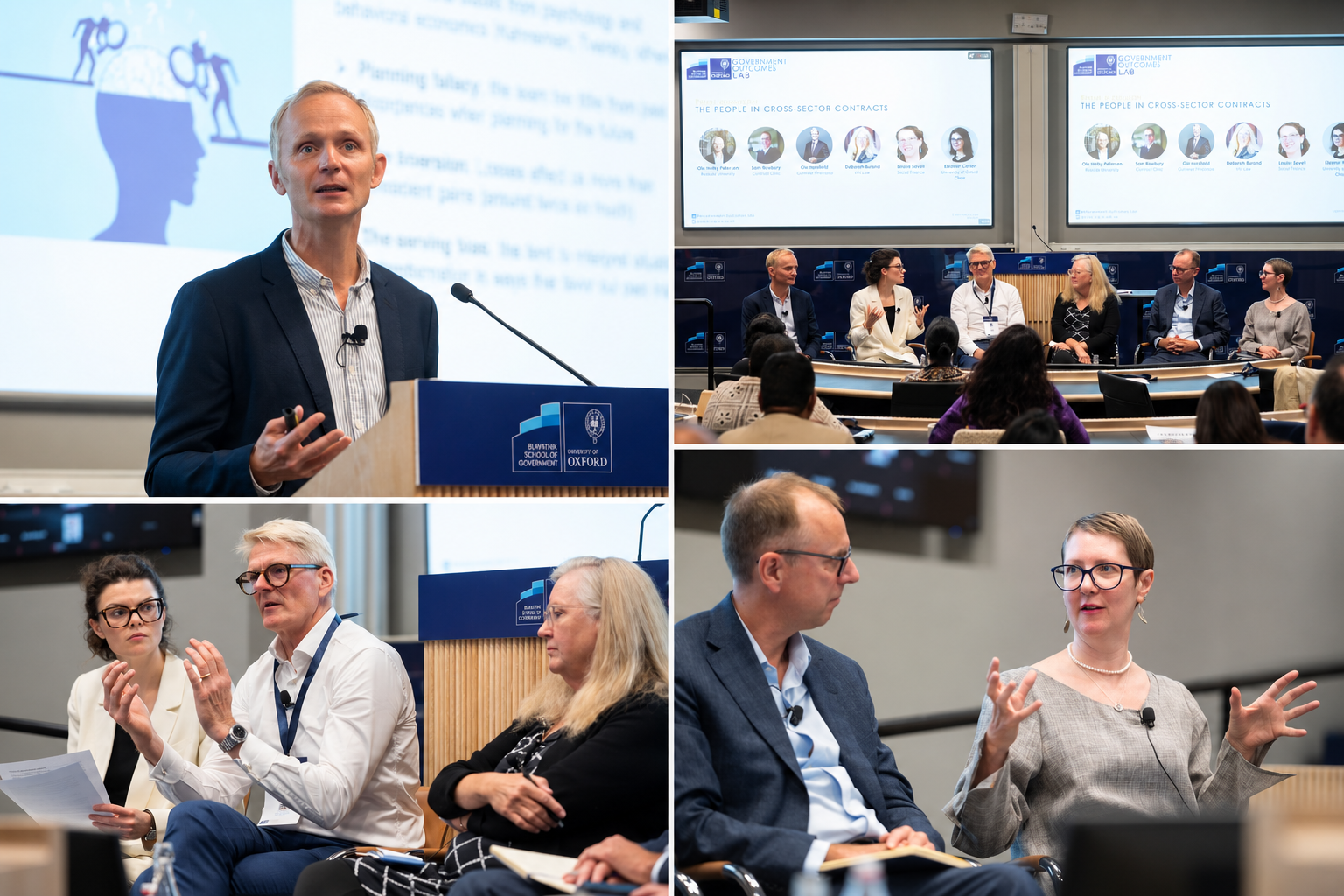
We opened SOC26 with a keynote discussion from Professor Ole Helby Petersen of Roskilde University, who put the people behind cross-sector contracts centre stage. Drawing on behavioural economics and public management, Professor Petersen explored how motivations, relationships, incentives and perceptions of fairness shape whether cross-sector contracts succeed in practice.
He considered the balance between formal contractual terms and relational ways of working, and what it takes to build partnerships that deliver better outcomes.
Following the keynote, a panel drawing on experience across the legal, social impact and public procurement spheres shared their perspectives on the challenges of effective public contracting. Deborah Burand of NYU Law challenged participants to consider how the voice of service users can be brought into contracting, while Sam Rowbury of the UK Cabinet Office highlighted the importance of enabling procurement infrastructure alongside commercial and contract management capacity to support more relational ways of working.
Spotlight sessions
Our eight spotlight sessions showcased outcomes-focused approaches across a wide range of sectors and geographies.
Sessions explored basic income and personalised budgets in Wales; data-driven commissioning in Gloucestershire; sustaining outcomes-focused partnerships in Scotland; performance-based health financing in Ethiopia; youth employment in South Africa; Social Outcome Partnerships in Denmark; scaling outcomes-based financing in low- and middle-income countries; and systems change in India.
Across these different contexts, discussions explored the importance of trust, learning and local autonomy, alongside the role of evidence and institutional design in taking outcomes-based approaches to scale. Together, the spotlight sessions offered a global snapshot of how organisations are testing, adapting and embedding outcomes-focused approaches in practice.
Roundtables and workshops
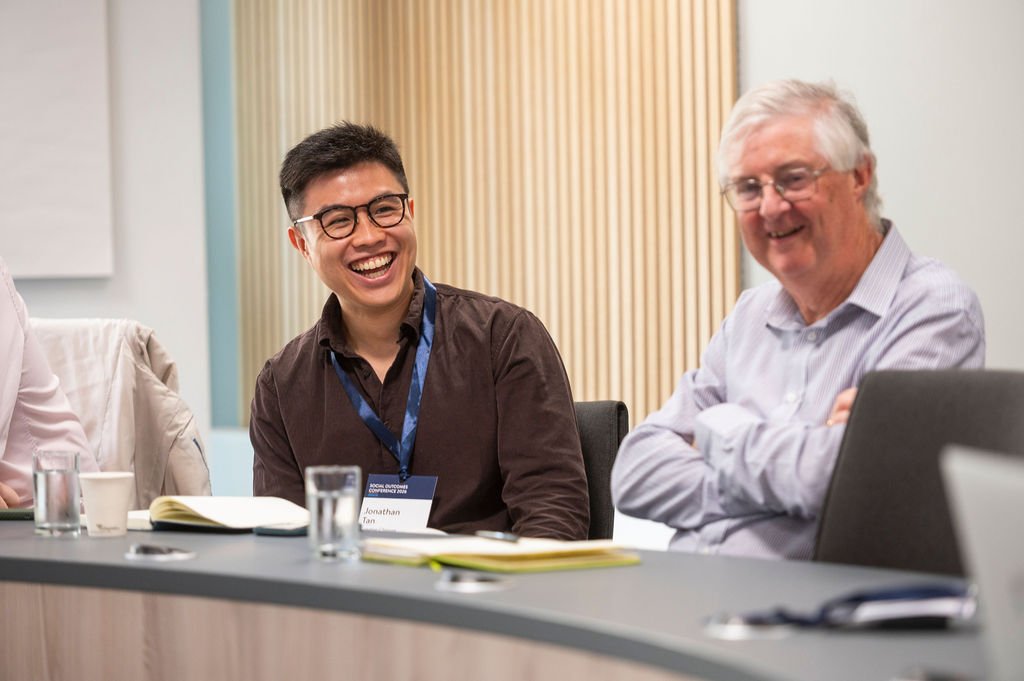
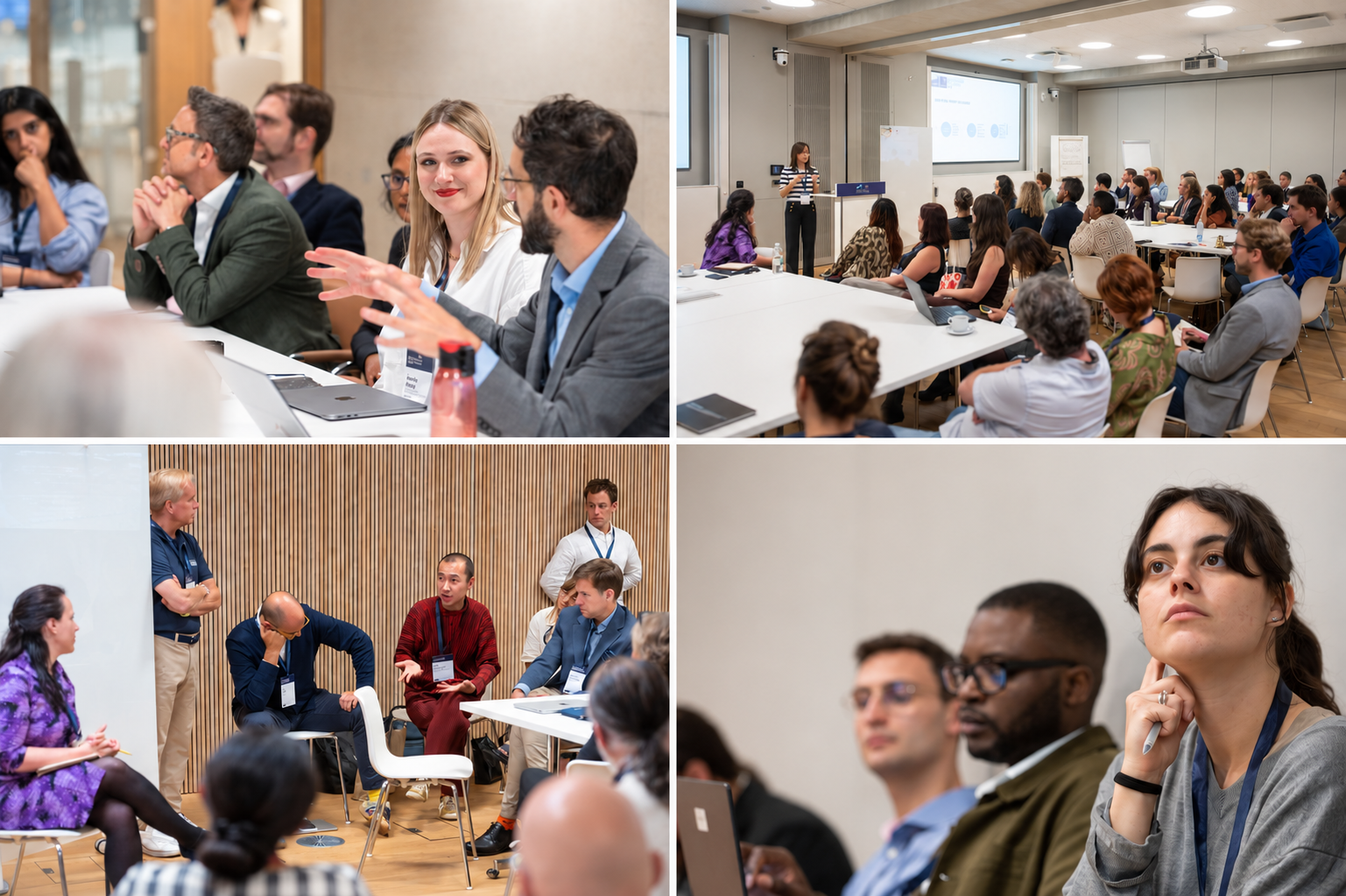
The afternoon continued with a series of roundtables and workshops, giving participants an opportunity to explore emerging ideas and challenges in greater depth.
Digital Innovation and Outcomes Contracting examined the promise and pitfalls of AI, blockchain and data tools in outcomes contracting, including how these technologies might help reduce costs while ensuring approaches remain fair and transparent.
From the Saxon settlement to the manor house explored how different parts of the impact economy require different forms of capital, infrastructure and partnership.
Formal and Relational Contracting brought researchers and practitioners together to identify some of the most pressing questions for a future research agenda, exploring how formal and relational approaches interact in the delivery of public services.
Meet the Outcomes Funding Innovators showcased emerging projects and created an opportunity for participants to exchange ideas directly with those designing and delivering new approaches to outcomes funding.
In conversation
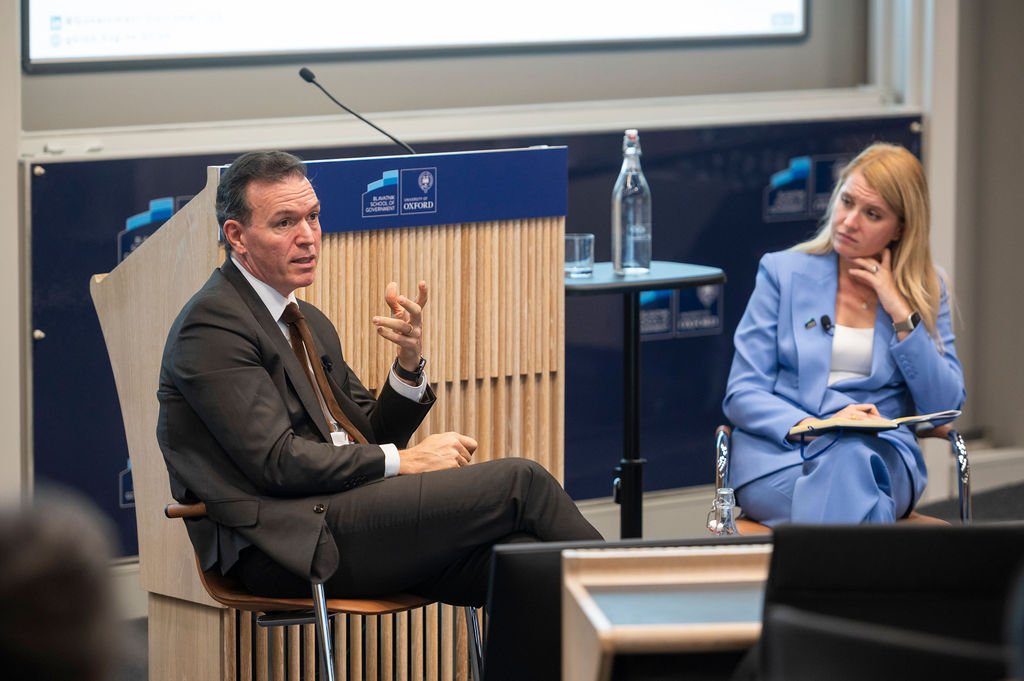
To close Day 1, Lisandro Martín, Director of the Outcomes Department at the World Bank Group, joined GO Lab Executive Director Andreea Anastasiu for a conversation about what it takes to move from counting outputs to embedding a genuine focus on outcomes across large organisations.
Drawing on his experience at the World Bank Group, Lisandro reflected on changing institutional culture, moving conversations from inputs towards outcomes, and keeping the results that matter for people at the heart of decision-making.
He highlighted the importance of having clarity around goals and building a clear vision that is convincing to both staff and wider stakeholders. At the same time, he emphasised the need to make sure those priorities are the right ones – warning organisations not to “hit the target but miss the point.”